
September 17, 2026
Ask anyone who tracks Honolulu food where the energy went this year and the old instinct kicks in: name a strip. Kaka'ako had its Michelin moment a few years back. Chinatown always claims the crown. Waikiki gets whatever a new hotel wants to put in its lobby. Pick a corridor, watch it get every headline, and assume everywhere else is just filling out the back half of a "best of" list.
That is not what happened in 2026. The restaurants worth driving across town for this year did not stack up in one place. They showed up in five or six pockets at once, and in more than one case, the same operator built a second or third concept a few doors from the first. If you live in Honolulu, that changes the actual question. It is not "what's the hot new spot in town." It is "what did my own neighborhood just get, and did I miss it."
Kaimuki has quietly out-produced neighborhoods twice its size, and the pattern inside it is the whole story in miniature. As Honolulu Magazine reports, Totoya opened in Kaimuki in 2024 to lines out the door for its negitoro bowls, expanded near Ala Moana in 2025, and pushed into 'Aiea this past February. Its parent company, Funergy Group, run by Takuya Tsutsumi, did not stop there. The same group opened Marujuu Japanese Hamburg & Steak in the old Chubbie's Burgers space in Kaimuki just before Thanksgiving last year, on top of running the Mo'ili'ili izakayas Tori Ton and Tenkichi.
Two blocks over, chef Chris Kajioka's Café Miro closed briefly in January to reset, then reopened with a new a la carte menu built, as the restaurant put it, around "just being delicious." Its sister project, formerly Leila and now called the Counter Miro, took over a smaller footprint to run a multi-course tasting counter for a handful of seats a night. Add Mokihana Haus, a midcentury-style beer bar with a dozen taps pouring roughly 90 percent Hawaii-brewed beer, aiming for a late-summer opening right next door to Moke's Bread and Breakfast, owned by the same Keola Warren.
None of this is a chain moving in from outside. It is operators who already had a foothold in Kaimuki opening another concept a few doors from the first one.
Kaka'ako added another restaurant this past spring. Torishin, the Michelin-starred yakitori counter that made its name in New York, opened inside the Ae'o tower this past spring, in the same building as the Whole Foods on Queen Street. That is not a resort-adjacent address. It is a grocery-run address, with residents and shoppers within walking distance of its counter.
Chinatown told the same story in a different accent. A run of new restaurants pushed past the Cantonese standards locals already knew and into Guizhou and Hunan-style regional Chinese cooking, with Daji Spicy Pavilion drawing some of the strongest word of mouth. In the same neighborhood earlier this year, chef Monique Cadavona ran a lunch-only Filipino pop-up called Mama Guava out of the old Pig & the Lady space, serving lumpia and a shrimp-and-longanisa banh xeo through February before wrapping its limited run. It never advertised itself as permanent, but it proved the appetite was there waiting.
Put Kaka'ako and Chinatown side by side and the lesson is the same one Kaimuki taught: Honolulu's restaurant activity is spread across multiple neighborhoods, not concentrated in one corridor.
Several of the city's established dining names are making moves in different neighborhoods. Adez Steakhouse & Lounge took over the old Blind Ox speakeasy space on Kapahulu Avenue, a corridor known for good food and terrible parking, and offers valet service, a real rarity on that stretch. Diners grill their own steaks tableside on stones heated to 500 degrees, then work through a $65 prix fixe with sides and dessert built in.
Alan Wong's return is another major move. His restaurant closed on King Street in November 2020 after 25 years, and its return this year did not go back to that address. Instead, Wong is opening inside the Kahala Hotel & Resort, in the space that used to be Hoku's.
None of this happened in a vacuum where everything simply expanded. By early August, Honolulu Magazine had tracked more than 50 new restaurant openings across the island for the year, arriving in the same stretch it tallied more than 50 closures. Read that as collapse and you'd be wrong. Read it as turnover running at a steady clip, and it lines up exactly with what a dispersed food scene looks like: leases end, concepts retire, and new ones take the space, spread across enough neighborhoods that no single corridor absorbs all the churn or all the buzz.
If the restaurant worth trying this month is not necessarily the one everyone is posting about, here is where that plays out on the ground:
The pattern holds because it is not really about restaurants. It is about which neighborhoods have enough people already moving through them on a normal week, whether that's a Whole Foods run, a bus stop, or a beer bar next door to a bakery someone already trusts. Watch for the next wave and it will probably show up the same way this one did: quietly, a few doors from something that was already working.
If you're spending more time thinking about which Honolulu neighborhood actually fits how you live, that same block-by-block texture matters just as much for a home search as it does for dinner plans. That's the kind of on-the-ground read Lex Ferguson brings to buyers and sellers across the island. Let's Connect if you want to talk through what a specific neighborhood is really like day to day, not just what the listing photos show.
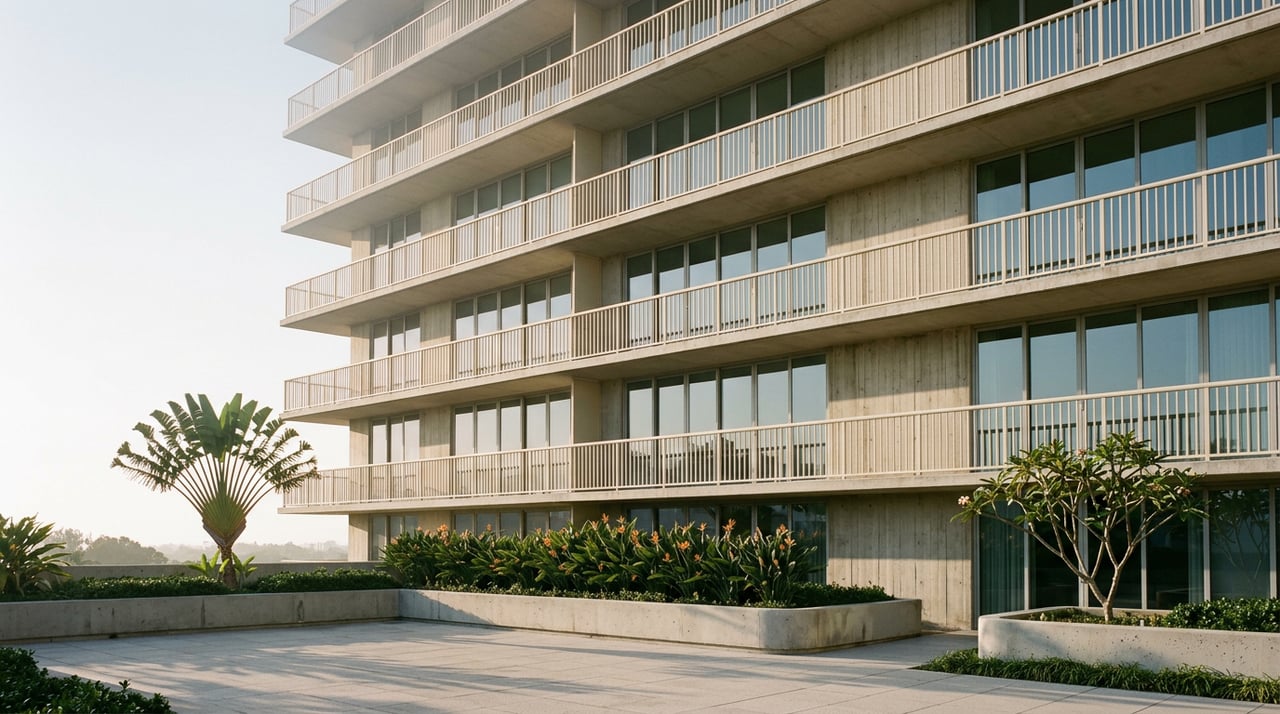
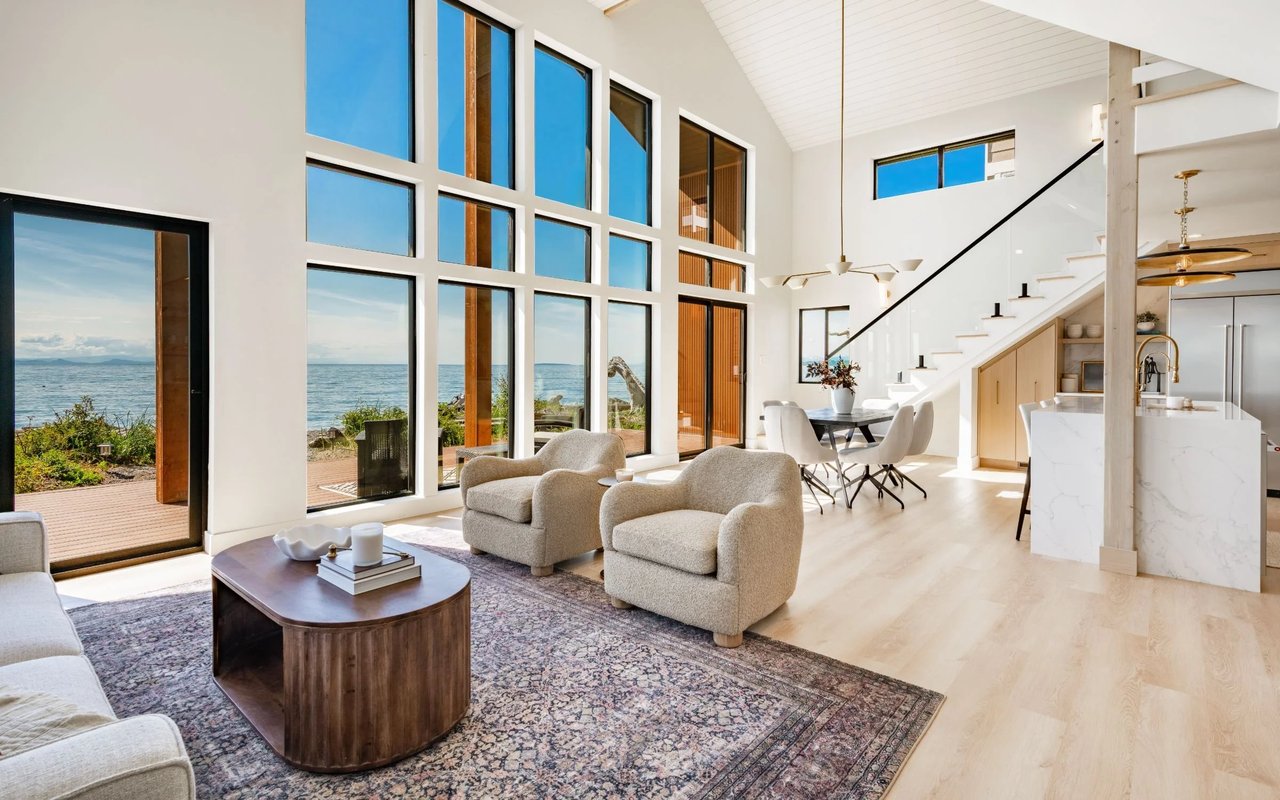
Let’s dive into why owning a home is still the golden ticket to achieving the American Dream!
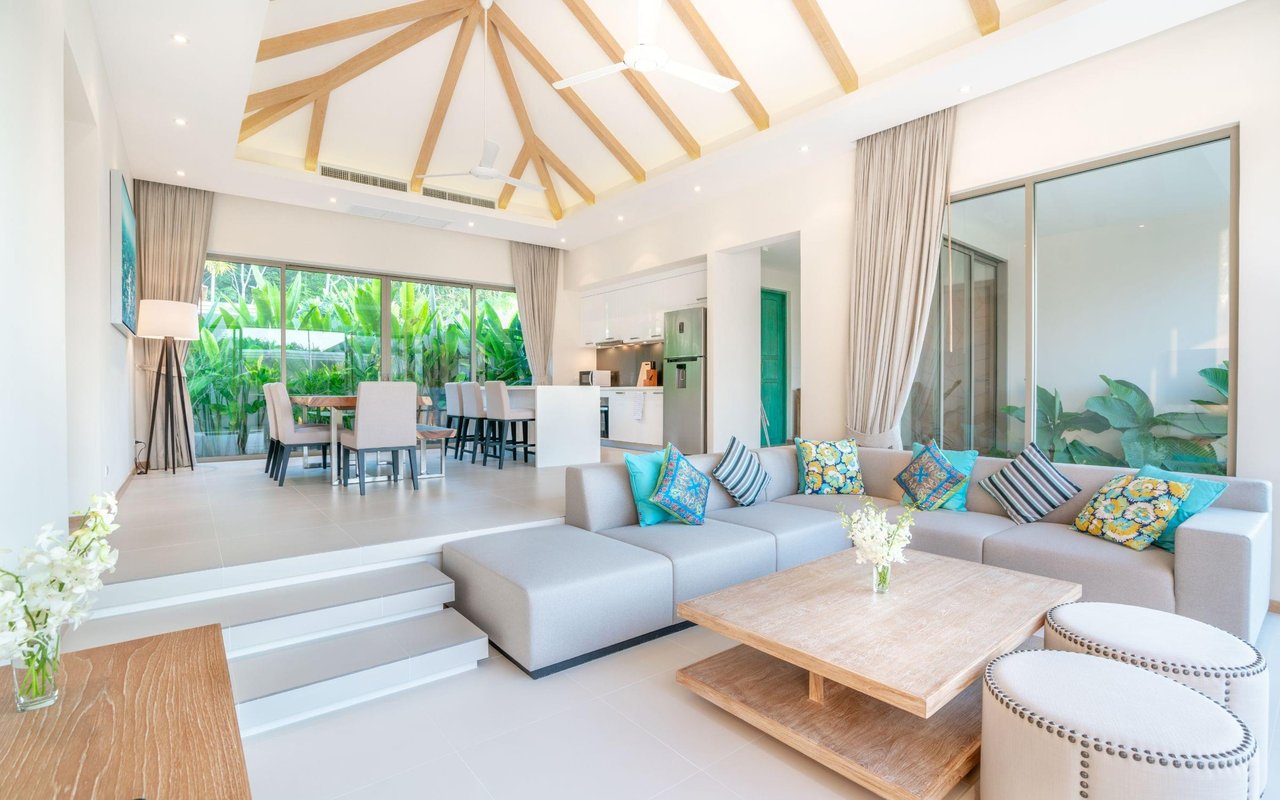
Let’s dive into the ultimate guide to decluttering your home for a successful sale.
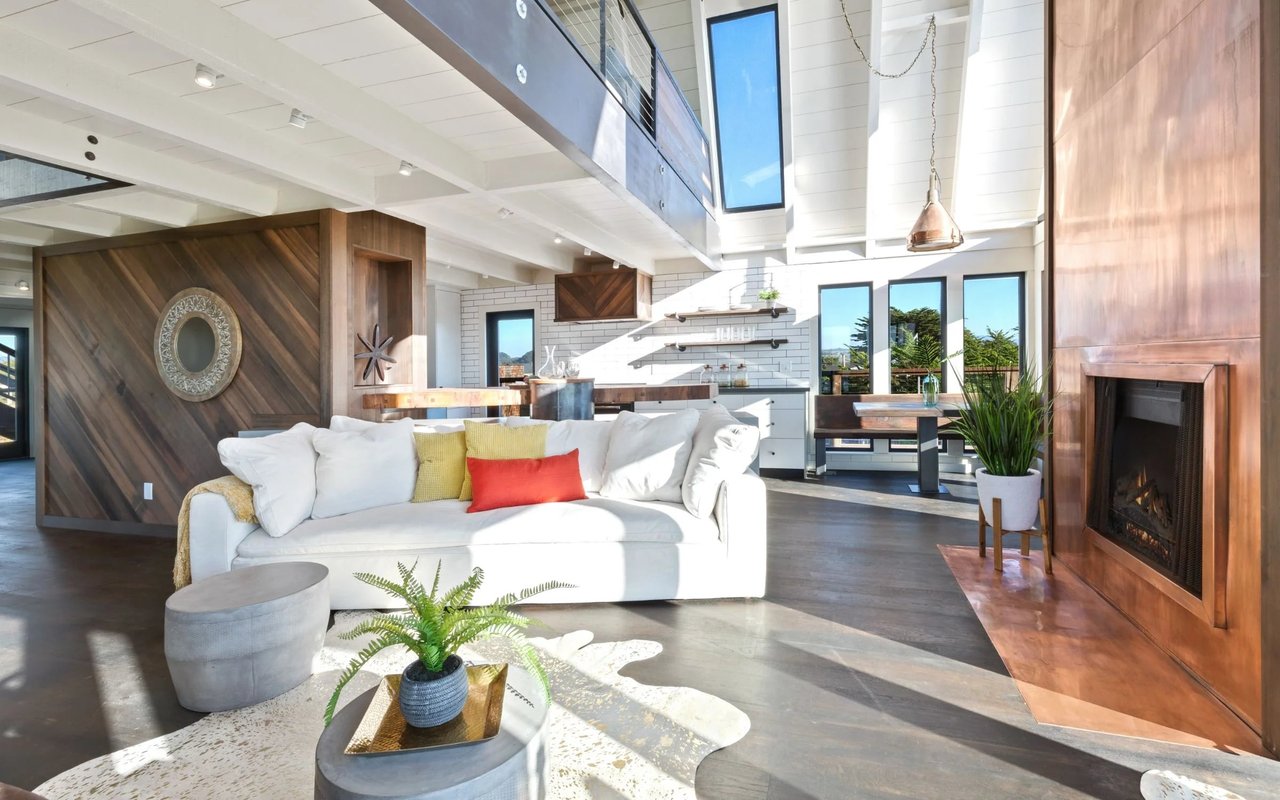
Let’s dive into expert tips for mastering the art of home staging and making your home irresistible to buyers.
Getting a mortgage can seem like a daunting task, but with the right information and preparation.
With deep Oahu knowledge, 24/7 availability, and a tireless commitment to his clients, Lex is ready to help you move forward with confidence every step forward.