
October 29, 2026
Picture a green cart in Kalihi in late October. Mango peels and rice from Sunday dinner sit under a layer of hedge clippings. The lid is shut and the cart is in the shade, and pickup is still nine days away. That's the real test of the City's G.R.O.W. program. The hard part is keeping food in a hot plastic cart for up to two weeks without breeding flies.
Starting October 1, 2026, the City and County of Honolulu's Department of Environmental Services expanded G.R.O.W., short for Green Recycling Organic Waste, across Oʻahu. Every household with three-cart automated curbside collection can now put food scraps and wasted food in the green compost cart along with yard waste. By the time this post runs, the program will be about four weeks old. Most households on a normal schedule will have had a green-cart pickup or two under the new rules, which is enough to learn whether the routine works.
Under the City's curbside rules, trash goes out every week. The green and blue carts alternate weeks, so each one is picked up every other week. That schedule was set up for grass clippings and palm fronds. Now it has to handle chicken bones and fish skin too.
The pilot showed what happens when that goes badly. G.R.O.W. was tested starting in April in six communities: Kailua, Hawaiʻi Kai, Mililani, Nānākuli, Waipahu and Kalihi. In July, the Honolulu Star-Advertiser's Kokua Line answered pilot participants who wrote in about flies and maggots in their carts. In October, the Star-Advertiser reported that some pilot households stopped because loose food in the cart smelled and drew flies or vermin.
So the main thing a household has to do is control when the food goes into the cart. The rest of the program depends on getting that right.
The City's own advice for odor and mess comes down to timing. Here's the routine it describes:
When ENV answered the maggot complaints in the July Kokua Line column, it also recommended putting the cart out every other week on schedule and keeping it closed and in the shade.
Done this way, the food spends one night in the cart. That's the only version that holds up through a Honolulu October. It also means you need to know which week is your green week. The City's Opala Refuse Collection lookup on HNL.info shows the schedule for your address, including which cart goes out which week. You can type in your address or pick it on a map. It's worth looking up once and writing on the calendar, because the green week is now when you clear the freezer.
There's also a planning issue. A household that cooks a lot needs freezer room for up to two weeks of scraps. If that space is already full of poke and frozen manapua, it won't be easy to free up.
The City sums up the rule as "If it GROWS, it goes."
| Goes in the green cart | Stays out |
|---|---|
| Fruits and vegetables | Plastic bags or plastic of any kind |
| Meat, fish and bones | Packaging and wrappers |
| Coffee grounds | Compostable or biodegradable bags, plates and utensils |
| Eggs and eggshells | Glass or metal |
| Rice and bread | Liquids, oils and grease |
| Leftovers and spoiled food | Pet waste, household trash, hazardous materials |
Compostable bags aren't allowed, not even the green ones sold for exactly this purpose. Neither are plant-based takeout plates or forks. The rule is that food goes in loose with no bag of any kind. In the July report, plastic bags were the most common contamination problem the City's crews found. This is another reason to use the freezer. Your scraps can stay in a bag or container inside the house, and only the food goes into the cart.
Food and yard waste from green carts goes to Hawaiian Earth Recycling, which turns it into compost. Its main Oʻahu facility is at 65-1101 Wilikina Drive in Wahiawā. The company also runs transfer stations at Campbell Industrial Park in Kapolei and on Mokulama Street in Waimānalo.
The City is also trying to keep food out of H-POWER, its waste-to-energy plant. ENV Deputy Director Daniel Brieck said in the City's announcement that food scraps and wet materials "rob energy from the burn process," so composting them helps the plant run more efficiently. Mayor Rick Blangiardi said G.R.O.W. could cut Oʻahu's waste stream by as much as 20%.
The City says Hawaiian Earth Recycling sells it to residents and other buyers. Hawaiian Earth Products lists compost for sale at the Wahiawā site, which is open Monday through Saturday from 7 a.m. to 4:30 p.m. and Sunday from 8 a.m. to noon. Scraps from a Mānoa kitchen can come back as compost for a lanai planter.
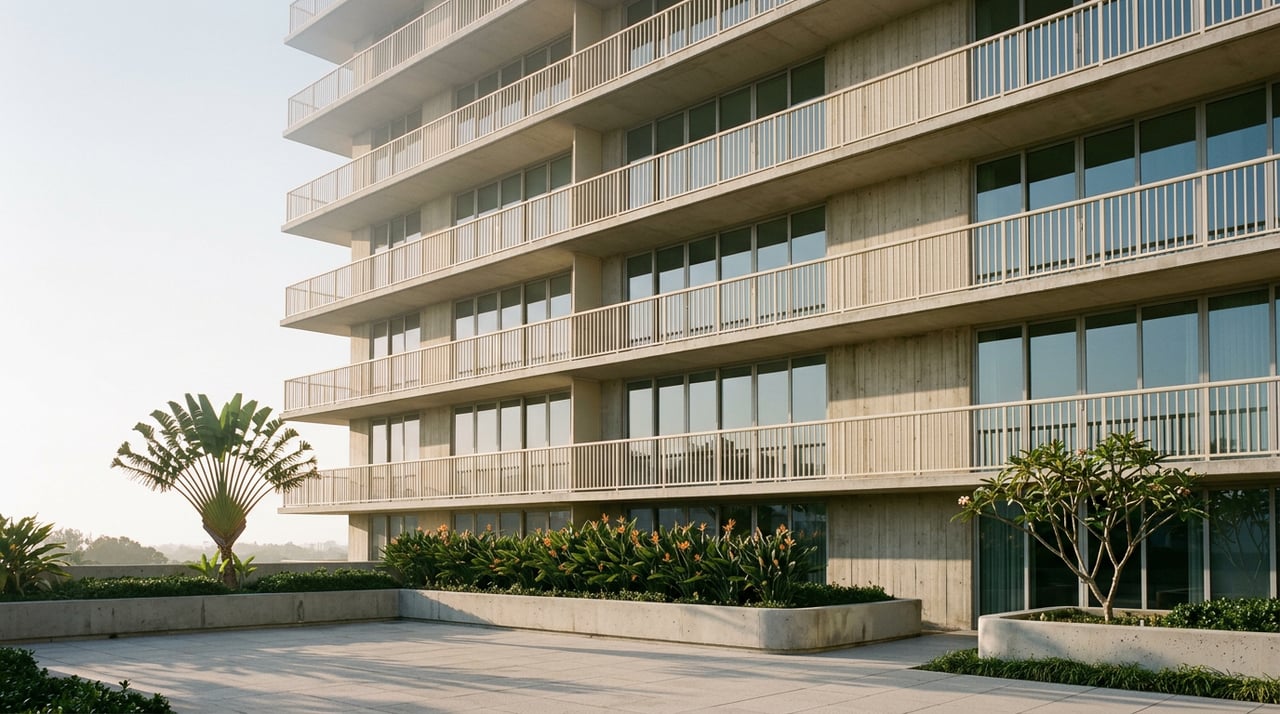
In urban Honolulu, a lot of households aren't covered by this program. The City's automated three-cart service reaches about 160,000 single-family homes. About 20,000 more homes are on manual routes that only pick up trash and aren't part of three-cart service yet. The City's G.R.O.W. FAQ says apartments and condominiums aren't part of the curbside service. That leaves out the towers of Kakaʻako, Ala Moana and Waikīkī. Townhome associations that use private haulers aren't directly addressed, so ask your association or hauler.
Here's where each setup lands:
| Your setup | What applies |
|---|---|
| Single-family home with three City carts | Food scraps go loose in the green cart on your green week |
| Home on a manual, trash-only route | Not in three-cart service yet |
| Condo or apartment | No curbside G.R.O.W.; the drop-off options below |
| Townhome with a private hauler | Check with the association or hauler |
For condo and apartment residents, the City's G.R.O.W. FAQ says anyone on the island can take their own food scraps to Hawaiian Earth Recycling in Wahiawā for free, up to two loads a day. That FAQ was last updated in January 2026, when G.R.O.W. was still a pilot, so call the facility at (808) 682-5895 before you drive up. The same FAQ says City transfer stations and convenience centers don't take food scraps. The convenience center down the road won't help.
Closer to town, Leftover Love Co. runs a paid member drop-off at the Kakaʻako Ocean Friendly Garden, 210 Coral St. It's self-serve, open every day from 7 a.m. to 7 p.m., and members get a gate code. Its membership listing has shown as sold out, so availability comes and goes. The City Parks community gardening FAQ says some community gardens have compost bins and may accept household scraps under their own rules. Contact each garden directly.
For a household in a high-rise, the freezer routine still works. The bag fills for two weeks or so, and then it goes to Kakaʻako or makes the drive up the H-2.
The reported participation figures come from different counts. In September, Hawaiʻi Public Radio reported 15% participation, based on inspections of 1,027 carts, and ENV's director said that rate isn't enough. The July Star-Advertiser column quoted the City saying crews had checked more than 1,500 green carts and found food in about 27% of them. Each figure comes from a different set of carts at a different point in the pilot. In both, though, most pilot households still weren't putting food in the cart.
The City's announcement for the islandwide launch also used the 15% figure. ENV Refuse Chief Josh Nagashima called it "a good start" and pointed to a big drop in contamination. Hawaiʻi News Now covered the October 1 rollout and noted the same participation figure, the reduced contamination, and the no-bags rule.
The complaints the Star-Advertiser reported were about smell, flies and maggots. Those are the problems the freezer routine is meant to prevent. Kalihi was one of the six pilot communities, so part of Honolulu has already lived with the two-week schedule since April. For more on what goes in and what stays out, the City keeps its program details at honolulu.gov/env/grow.
New routines like the green-cart week are part of what owning a home here actually involves, and they're the kind of thing I like to tell clients about before they move in. If you're thinking about a single-family home, a Kakaʻako condo, or something in between and want to know what day-to-day life looks like there, Lex Ferguson is happy to walk you through it. Let's Connect.


Let’s dive into why owning a home is still the golden ticket to achieving the American Dream!
With deep Oahu knowledge, 24/7 availability, and a tireless commitment to his clients, Lex is ready to help you move forward with confidence every step forward.